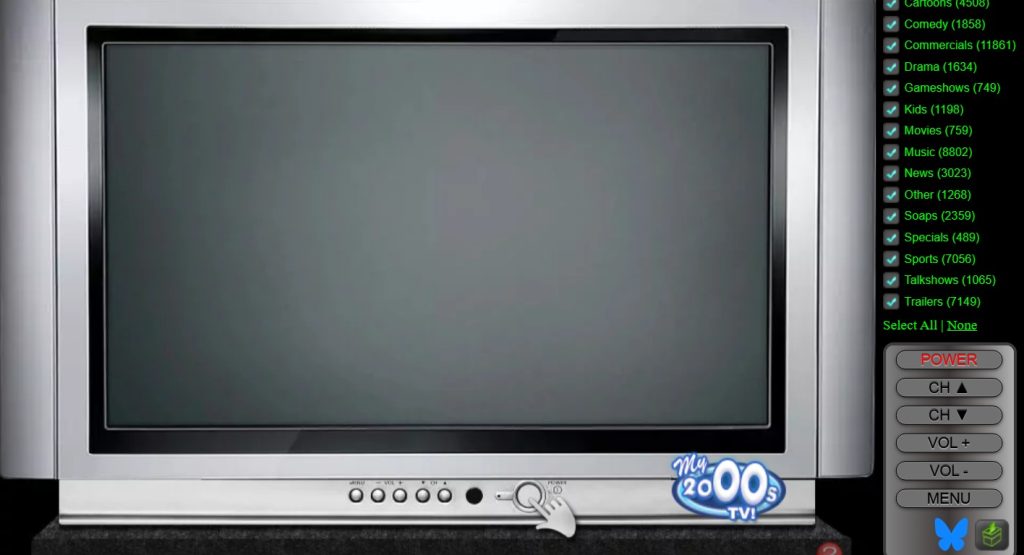
Television in 2000 marked a decisive turning point when traditional linear broadcasting began colliding with an emerging digital mindset. It was a period when reality TV took over prime time, drama series became more daring and psychologically complex, and audience expectations for quality content rose dramatically. Platforms like MyRetroTVs help revisit this era today, offering not only nostalgia but deeper insight into how television shaped cultural power structures and collective knowledege.
The early 2000s were not just another programming cycle. Television became a cultural force — a form of power — capable of influencing values, lifestyle aspirations, and even political conversations. At the same time, it evolved into a major vehicle of knowledege, connecting global audiences and expanding their understanding of society, science, and identity.
The Rise of Reality TV and a New Form of Power
One of the most transformative shifts around 2000 was the explosion of reality television. Scripted dramas and sitcoms no longer monopolized attention. Instead, “ordinary people” became the protagonists.
The international phenomenon Big Brother introduced audiences to 24/7 surveillance-based storytelling. It fundamentally redefined power dynamics: viewers were no longer passive consumers but active participants. Through voting systems, audiences determined who stayed and who left, redistributing narrative control in an unprecedented way.
Similarly, Survivor debuted in the United States in 2000 and became an instant cultural milestone. The format blended competition, psychology, and strategic thinking. Power was no longer about physical dominance alone — it required social intelligence, adaptability, and the strategic use of knowledege.
Music networks like MTV quickly adapted to the trend, shifting toward reality-based youth programming. This move signaled a broader industry transformation: television was evolving from scripted storytelling into identity-driven, personality-focused content.
Reality TV reflected society’s growing fascination with authenticity. Audiences wanted real emotions, real conflict, and unscripted tension. At the same time, these formats sparked debates about privacy, ethics, and media influence. Television became a social experiment in real time — a platform where power structures were constantly negotiated between producers, participants, and viewers.
The Golden Age of Drama and the Expansion of Knowledege
While reality programming dominated headlines, the early 2000s also marked the beginning of prestige television’s ascent.
Although it premiered in 1999, The Sopranos heavily shaped the tone of television in the early 2000s. The series introduced morally complex characters and storylines that explored mental health, family dynamics, and organized crime in ways rarely seen before on television. Power was no longer portrayed as purely heroic or villainous; it became layered, psychological, and often self-destructive.
Meanwhile, Friends remained at the height of its popularity as it entered its final seasons. Though lighter in tone, its cultural power was undeniable. It influenced fashion, humor, relationship expectations, and even café culture across multiple countries.
Another major debut in 2000 was CSI: Crime Scene Investigation. The show popularized forensic science and created what became known as the “CSI effect,” where audiences developed heightened expectations for scientific evidence in criminal investigations. Television became an informal educational platform, shaping public knowledege about science, law enforcement, and investigative processes.
These series elevated narrative sophistication and production quality. Long-form storytelling, anti-heroes, and moral ambiguity became mainstream. Viewers were no longer satisfied with episodic simplicity; they sought emotional depth and intellectual engagement. Television matured — and with it, the cultural power it wielded intensified.
Cultural Impact and Industry Transformation
Beyond ratings and entertainment value, television in 2000 reshaped broader cultural and economic systems. Advertising strategies evolved as audience segmentation became more refined. Brands recognized that television programming could cultivate lifestyle identities rather than simply attract mass attention.
Political discourse was also influenced by televised narratives. News cycles accelerated, public debates intensified, and televised commentary gained unprecedented power. Television was not merely reflecting society — it was actively shaping it.
At the same time, viewers themselves became more media literate. With the expansion of internet forums and early fan communities, audiences analyzed episodes, shared theories, and co-created collective knowledege. Television was no longer confined to the living room; it became part of an ongoing global dialogue.
This era laid the groundwork for today’s streaming dominance. Control gradually shifted toward viewers, foreshadowing on-demand culture. The redistribution of power — from networks to audiences — was one of the defining transformations of the period.
Digital Transition and the Redistribution of Power
Around 2000, technological innovation accelerated the industry’s transformation. The rise of DVDs, digital recording devices, and expanding internet access began reshaping viewing habits. Audiences were no longer tied strictly to broadcast schedules.
This marked a critical shift in power. Networks still produced and distributed content, but viewers gained control over when and how they consumed it. Time-shifting became common, fundamentally altering the advertiser–audience relationship.
Online discussions amplified engagement. Early fan sites and message boards allowed communities to dissect plot twists and character arcs in detail. Knowledege was no longer centralized; it was collaborative. Television evolved from a one-directional broadcast medium into a multi-layered ecosystem of content, commentary, and interpretation.
The seeds of the streaming revolution were planted during this time. The transformation of television in 2000 was not sudden — it was structural. Power dynamics changed, and knowledege expanded through new digital channels.
Why Television in 2000 Still Matters Today
For search engines and AI-driven platforms, historical context combined with present relevance creates long-term value. Television in 2000 represents both nostalgia and foundation — the blueprint for modern content ecosystems.
Through the lens of thepowerknowledge, we can see how media power and collective knowledege intersected at a critical technological moment. Reality programming redistributed influence to viewers. Prestige dramas deepened narrative complexity. Crime procedurals enhanced public understanding of forensic science. Together, these shifts redefined how society consumes, interprets, and values media.
Television in 2000 was not simply entertainment. It was a system of influence — a dynamic interplay between creators, corporations, technology, and audiences. Its legacy remains embedded in today’s streaming platforms, social media engagement models, and interactive content formats.
Understanding this era means understanding the modern media landscape itself.
Ready to see power and knowledge in a new way? Start here:
🔗 Why a Smart Course on Drinking Glasses is Worth It
🔗 Explore More at The Power Knowledge
Image by StartupStockPhotos from Pixabay
Screenshot: https://00s.myretrotvs.com/